Water Damage Restoration Temple City, CA
A pinhole leak under the slab, a water heater giving out in the garage or storm runoff under the door? The restoration team extracts the water, dries the structure to IICRC S500 and documents every reading for the claim.
(888) 578-6508 Water on the slab or carpet? Call now- 24/7 emergency dispatch
- IICRC S500 drying standard
- Truck-mounted extraction units
Active water is treated as urgent at any hour, holidays included, with drying equipment loaded before the truck rolls.

Water damage specialists who know local houses
Slab floors, raised floors, garage water heaters and aging supply lines all leak in their own ways. The restoration team finds the source, pulls the water and dries to a measured goal.
Read how the work is run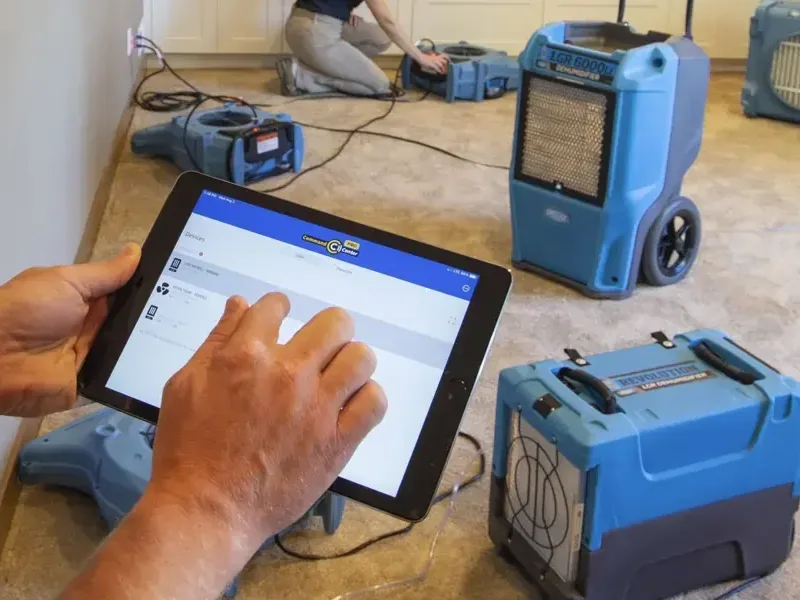
Five moves that limit the damage before the crew arrives
- Close the main valve
Most local houses have the main shutoff near the front of the house where the line comes in from the street, or in the garage.
- Cut power to wet rooms
Switch off breakers for wet areas only if the panel is dry and you can reach it without standing in water.
- Keep away from the water
Stay out of standing water near outlets, extension cords, floor heaters and the water heater.
- Photograph everything first
Take wide photos and close-ups of every wet room and the water line before anything is moved or thrown out.
- Lift what you can
Move rugs, boxes, shoes and electronics off the floor and pin up drapes, then call.
Water Damage Restoration Services in Temple City, CA
Water and sewage work only, from a single wet closet to a whole-house dry-out, across ZIP 91780 and the nearby cities of the west San Gabriel Valley.
 01Water Extraction and RemovalStanding water pulled from carpet, pad, tile and subfloor before it wicks into drywall and cabinets.Read the details
  02Slab Leak Water DamagePressurized supply leaks under the concrete traced, flooring lifted and the slab and walls dried.Read the details
  03Sewage Backup CleanupToilet, tub and cleanout overflows handled as Category 3, with porous materials removed and surfaces treated.Read the details
  04Burst and Pinhole Pipe LeaksSplit and pinhole supply lines inside walls and attics extracted, opened and dried to readings.Read the details
  05Storm Water and Street Flooding CleanupRunoff that backs up at a clogged inlet and reaches garages and rooms, cleaned out and dried.Read the details
  06Roof Leak Water DamageStorm leaks at shingles, flashing and vents followed into the attic, insulation pulled and framing dried.Read the details
  07Ceiling Leak Water DamageBathroom, attic and supply leaks that stain or sag drywall, opened safely and dried from above.Read the details
  08Water Heater Leak CleanupGarage and closet tank failures extracted before stored boxes, cabinets and wall bottoms soak through.Read the details
  09Appliance and Supply Hose LeaksWasher hoses, dishwasher lines, ice makers and toilet supplies dried out of floors and cabinets.Read the details
  10Crawl Space Water RemovalWater under raised-floor houses pumped out, wet insulation removed and joists and subfloor dried.Read the details
  11Structural Drying and DehumidificationFraming, subfloor, plaster and concrete dried with LGR dehumidifiers to a measured dry reference.Read the details
  12Commercial Water DamageShops, restaurants, offices and apartment buildings dried in phases so business can keep going.Read the details Water source unclear?Describe what is wet and where it started. The response team works out the rest on site.(888) 578-6508 Need a planning number?Four questions about the wet area, the source, the materials and the timing give a typical range.Try the cost calculator
 Every water category, handled the way the standard requires
Clean water
A supply line, a slab leak or a water heater tank. Caught early, most materials can be dried in place.
Slab leak dryingGray water
A washer or dishwasher overflow, or clean water that sat for days. Some soaked materials have to come out.
Appliance leak cleanupBlack water
A toilet or sewer lateral backup, or storm water from the street. Porous materials it touched are removed, not dried.
Sewage backup cleanupStructural drying to the IICRC S500 standard
Four steps run in the same order on every loss. Surface drying leaves water in the framing, slab and wall cavities, so the drying team measures before, during and after.
- 01
Find every wet material
Thermal imaging and pinless meters trace water under flooring, behind baseboards and into the slab before any equipment goes down.
- 02
Extract the standing water
Truck-mounted extraction removes the bulk of the water so it leaves the house instead of soaking into the next room.
- 03
Balance air and dehumidification
Air movers are placed to each room's evaporation load, and LGR dehumidifiers pull that moisture back out of the air.
- 04
Verify, then pull the gear
Readings are logged daily, and equipment comes out once materials sit within 2 to 4 points of a dry reference.
Equipment on a typical dry-out
- Truck-mounted extraction
- LGR dehumidifiers
- Air movers
- Thermal imaging
- Pinless moisture meters
- HEPA air scrubbers
- Moisture mapping before equipment
- Class 1 to 4 sets the equipment
- Daily readings until dry
What does water damage restoration cost in Temple City, CA?
Most local water losses fall between about $1,200 and $6,000 for extraction and drying. Slab leaks, sewage and whole-house losses run higher. The water category, the square footage, the material class and how fast drying started set the number.
Small area, caught early
$1,200 to $2,800
One room or closet, Extraction and air movers, 2 to 3 days of drying
Several rooms or a slab leak
$3,000 to $6,000
Flooring and baseboards lifted, LGR dehumidifiers, Daily moisture logs
Sewage or whole-house loss
$6,500 to $16,000+
Category 3 containment, Porous materials removed, Antimicrobial treatment
These are typical ranges, not quotes. For a closer planning figure, try the water damage cost calculator or the drying time estimator.
Four habits behind every finished dry-out
Urgent at any hour
A leak found at midnight on a holiday gets the same start as one found on a Tuesday morning. Extraction and drying gear rides on every truck.
Dry to a number
The IICRC S500 standard sets the goal. Equipment stays until meter readings match a dry reference, not until the carpet feels dry.
A claim-ready record
Moisture maps, daily psychrometric logs and timestamped photos taken before any demolition go into one file the adjuster can follow.
Valley housing know-how
Slab and raised-floor houses, garage tanks and older supply lines are everyday work for restoration pros in the Valley.
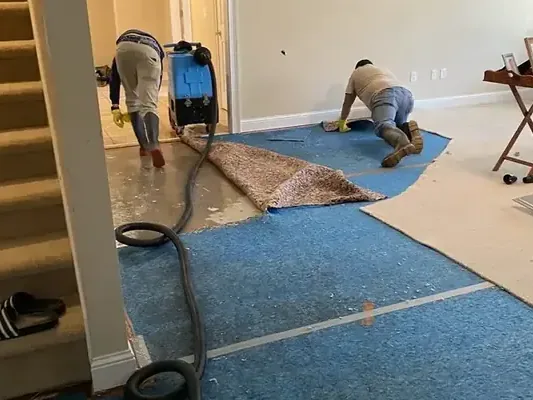
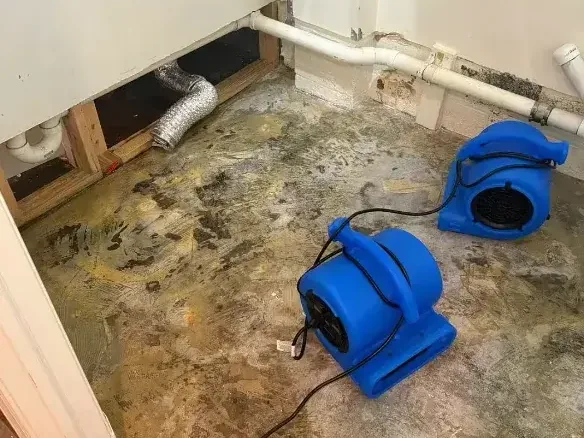
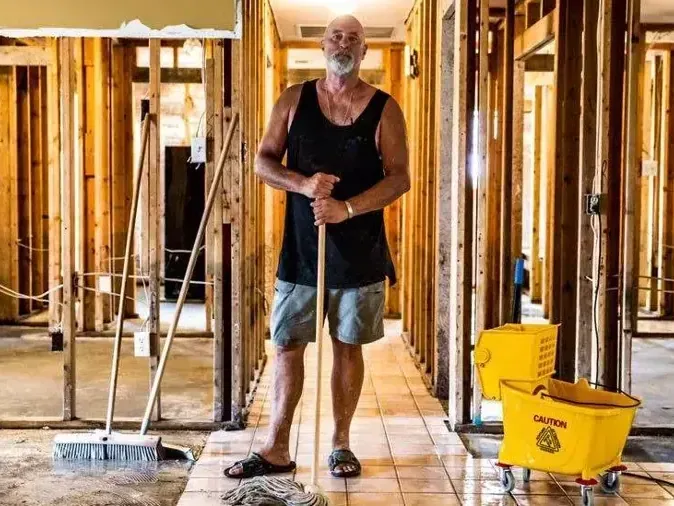
What extraction and structural drying look like inside a house
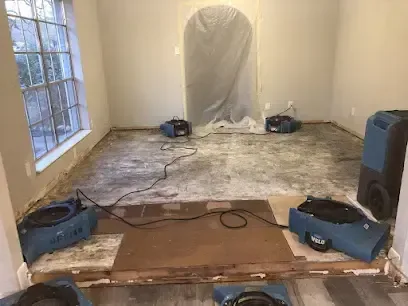
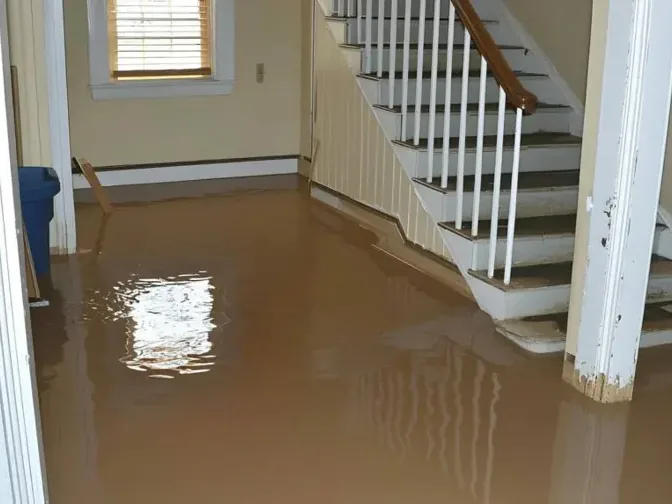
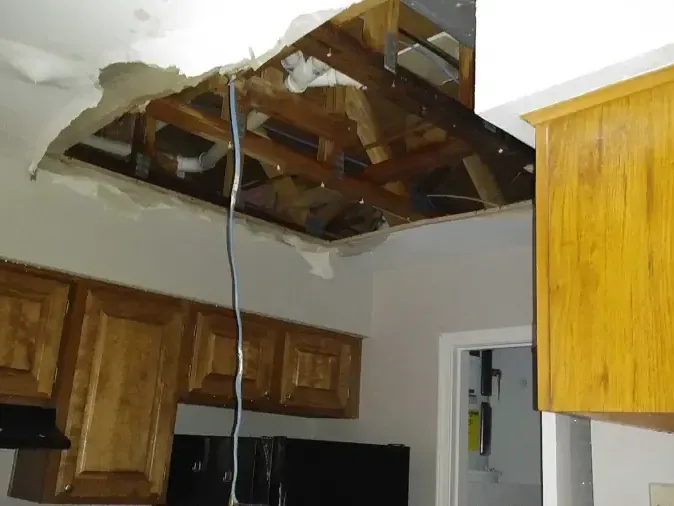
Water damage coverage across Temple City and nearby cities
Streets and corridors
Nearby cities
One call puts a drying crew on the road, day or night
The restoration team works around the clock, weekends and holidays included, from the original townsite near the park out to Live Oak Avenue and Rosemead Boulevard.
Say what got wet, where the water came from and whether it is still running, and the right extraction and drying equipment goes on the truck.
(888) 578-6508 Send a drying crew to the house tonightTemple City Water Damage Restoration
Temple City, CA
Around the clock, every day
ZIP 91780 · [email protected]
Find us on Google See every street and city covered hereWater damage risks in Temple City, CA
The city grew fast after World War II and incorporated in 1960, so some of the housing may carry older plumbing. Five patterns commonly drive water losses in homes like these.
- Aging supply lines. In homes with older plumbing, supply lines can wear thin with age, so pinhole leaks may open inside walls and under slabs, often unnoticed until flooring cups or a bill jumps.
- Clogged storm drain inlets. Winter storms off the San Gabriel foothills send runoff down the gutters toward the Eaton Wash channel. A blocked inlet backs that water up driveways and under garage doors.
- Storm season roof leaks. Long dry spells crack shingles, flashing and vent boots, then the first heavy rain finds every gap and soaks attic insulation and the ceiling below.
- Garage water heaters. Many tanks sit in garages and closets. When one rusts through, it can empty dozens of gallons across a slab and into stored boxes and drywall.
- Sewer lateral backups. Older sewer laterals can crack and let roots in from yard trees, so a blockage can send sewage up the lowest toilet or shower drain.
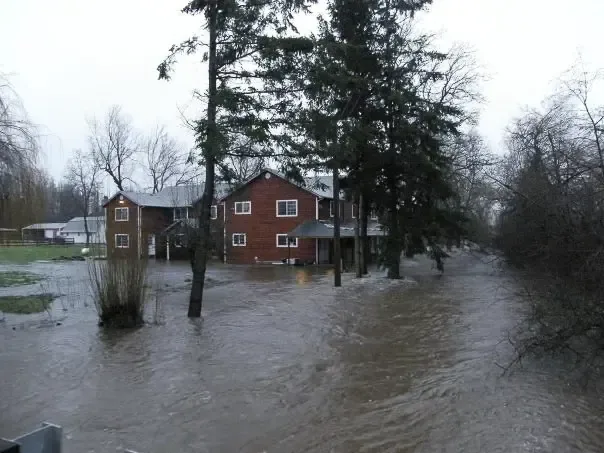
October 5, 2015 A heavy afternoon storm left Roseglen Street under about a foot and a half of water after a garbage can blocked a storm drain.
Temple City water damage questions, answered
How fast can a crew get to the house?
Dispatch runs 24/7, and active water is treated as urgent, day or night. The dispatcher gives a current estimate on the call, since timing shifts with traffic and the jobs already underway.
What should happen in the first hour?
Close the main valve, switch off power to wet rooms if the panel is dry, photograph everything and lift belongings off the floor. Then call, because water keeps moving into pad, drywall and framing.
Will insurance pay for water damage?
It depends on the policy and the cause. A sudden burst pipe or tank failure is often handled differently from storm runoff or a sewer backup. Check with your own insurer; the restoration team documents the loss either way.
What causes most water damage in local homes?
Pinhole leaks in aging supply lines, slab leaks, garage water heaters, sewer backups and storm runoff that backs up at a clogged inlet are common causes of water damage in Southern California homes.
How long does drying take?
Most rooms dry in 3 to 5 days. Slabs, hardwood and plaster take longer. Under IICRC S500 the equipment stays until readings match a dry reference, so the meter sets the finish date.
What is IICRC S500?
It is the industry standard for professional water damage restoration. It covers how water is categorized, how the class of loss sets the equipment and how drying is verified with readings rather than touch.
When does drywall have to come out?
Drywall touched by Category 3 water comes out. With clean water, wet drywall can often be dried in place if drying starts fast; swollen, crumbling or delaminated sections are cut out above the wet line.
Why is a sewage backup handled differently?
Sewage is Category 3 from the first minute. The crew wears PPE, sets containment, removes porous materials it touched and treats surfaces with an EPA-registered antimicrobial at the label dwell time before drying.
How is the cost figured?
Four things move it most: the water category, the square footage that got wet, the material class and how fast drying started. Typical ranges are on this page; the real number comes after the walkthrough.
Can mold start if the water sits?
Yes. Growth can begin within 24 to 48 hours on wet drywall, pad and wood, which is why extraction and drying start as soon as the source is stopped.
Water spreading through the house right now? Get it out and dried.
Extraction, structural drying and sewage cleanup around the clock, documented for the insurance claim.